
What Is Used Oil Analysis and Why Does It Matter?
Used oil analysis is an important part of industrial maintenance and equipment reliability. By examining the properties, contaminants, and wear debris found in used lubricating oil, maintenance teams can gain valuable insights into both lubricant condition and machine health.
For equipment operating under heavy loads, high temperatures, or demanding working conditions, regular oil analysis can help identify potential problems before they lead to unexpected downtime. But what exactly is used oil analysis, what can it reveal, and how can it support a more effective maintenance strategy?
What Is Used Oil Analysis?
Used oil analysis is the process of testing lubricant that has been in service to evaluate its condition and identify signs of contamination, degradation, or equipment wear.
During operation, lubricating oil does more than reduce friction between moving components. It also helps transfer heat, protect surfaces, and carry contaminants away from critical parts. Over time, the oil may oxidize, lose some of its original properties, or accumulate water, dirt, and wear particles.
Analyzing used oil helps maintenance professionals understand these changes and determine whether the lubricant remains suitable for continued use.
Used oil analysis is commonly applied to engine oil, hydraulic oil, gear oil, turbine oil, and other industrial lubricants.
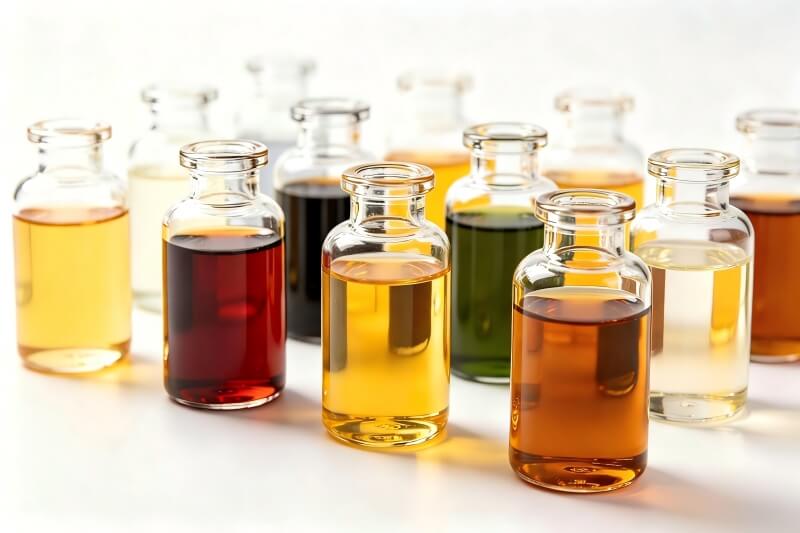
What Can Used Oil Analysis Reveal?
The specific tests depend on the lubricant, equipment, and maintenance objectives. Several key parameters are commonly evaluated.
1. Changes in Oil Viscosity
Viscosity determines how easily oil flows and how effectively it forms a protective lubricating film between moving surfaces.
Changes in viscosity may indicate oxidation, thermal degradation, contamination, or the mixing of incompatible lubricants. Monitoring viscosity helps maintenance teams assess whether the oil continues to meet the equipment’s lubrication requirements.
2. Water and Moisture Contamination
Water contamination can reduce lubrication effectiveness, promote corrosion, and contribute to lubricant degradation. In hydraulic systems and industrial gearboxes, excessive moisture can also affect component reliability.
Oil analysis can help identify water-related problems and support decisions about filtration, dehydration, or other corrective actions.
3. Wear Metals and Particles
As gears, bearings, and other mechanical components operate, small amounts of material may enter the lubricant through wear.
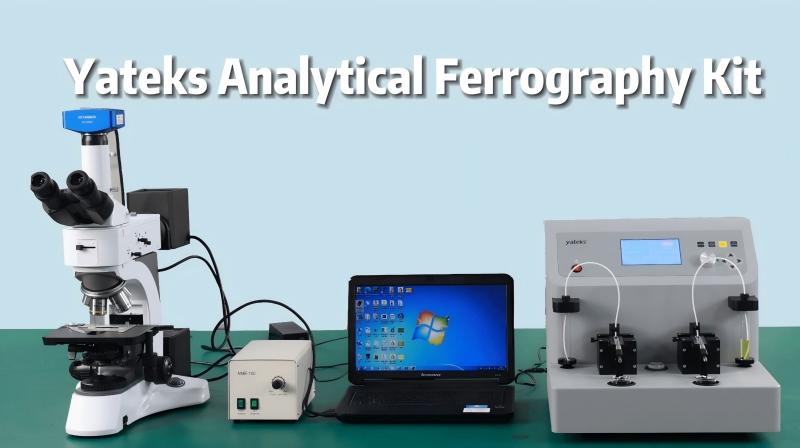
Analyzing wear metals and particles can help identify abnormal wear patterns and potential mechanical problems. Techniques such as elemental analysis and analytical ferrography provide different types of information about wear debris.
Results should be interpreted in the context of equipment history, lubricant type, operating conditions, and previous measurements.
4. Oil Degradation and Additive Changes
Lubricants contain additives designed to provide properties such as oxidation resistance, corrosion protection, and wear control.
As oil ages, its properties and additive levels may change. Depending on the test method, analysis can help identify oxidation, additive depletion, and other signs of lubricant deterioration.
5. Other Contaminants
Dirt, coolant, fuel, and other foreign substances may enter a lubrication system through leaks, inadequate sealing, or environmental exposure.
Identifying contamination helps maintenance teams investigate possible sources and take appropriate corrective action.
Why Is Used Oil Analysis Important for Predictive Maintenance?
Detect Potential Problems Earlier
Abnormal changes in oil properties or wear debris may provide early indications of developing equipment problems. When results are monitored consistently, maintenance teams can investigate unusual trends before they develop into more serious failures.
Make Better Oil Change Decisions
Changing oil too early can increase lubricant consumption and maintenance costs, while changing it too late may compromise equipment protection.
Oil analysis provides condition-based information that can support more informed oil replacement decisions, subject to lubricant specifications and equipment requirements.
Reduce Unplanned Downtime
Unexpected equipment failures can interrupt production and lead to expensive repairs. By identifying warning signs and investigating their causes, companies can better plan maintenance activities and reduce avoidable disruptions.
Improve Equipment Reliability
Regular oil analysis creates a record of lubricant condition and potential wear patterns over time. These records help maintenance teams understand recurring problems, evaluate corrective actions, and improve maintenance planning.
How Is Used Oil Analysis Performed?
A typical used oil analysis program involves four steps.
Step 1: Collect an oil sample.
Collect a representative sample from the designated sampling point using an appropriate, clean sampling procedure. Consistent sampling practices are essential for meaningful comparisons.
Step 2: Select the appropriate tests.
Choose testing methods according to the lubricant type, equipment, and suspected problems. Common options include viscosity measurement, water content testing, particle counting, elemental analysis, and wear debris analysis.
Step 3: Interpret the results.
Compare the results with the lubricant manufacturer’s recommendations, applicable limits, historical data, and equipment operating conditions. A single measurement may not be sufficient to establish the cause of an abnormal result.
Step 4: Track changes over time.
Trend analysis helps identify gradual degradation, increasing contamination, or changes in wear conditions. Follow-up testing can help confirm whether corrective actions have improved the situation.
The right combination of tests depends on the application. No single test can identify every possible lubricant or machinery problem.
Used Oil Analysis vs. Online Oil Condition Monitoring
Used oil analysis and online oil condition monitoring serve related but different purposes.
Traditional used oil analysis relies on collecting samples for portable or laboratory testing. It can provide detailed information about selected lubricant properties, contamination, and wear debris, depending on the methods used.
Online oil condition monitoring uses sensors installed in or connected to the lubrication system to track selected oil parameters continuously or at frequent intervals. It helps operators observe changes as equipment operates, without relying exclusively on periodic manual sampling.
The two approaches can complement each other. Online monitoring helps identify changing conditions between scheduled inspections, while periodic sampling and laboratory testing can provide additional diagnostic information when required.
For critical equipment, combining these approaches can support a more comprehensive condition monitoring strategy.
How Yateks Supports Oil Analysis and Condition Monitoring
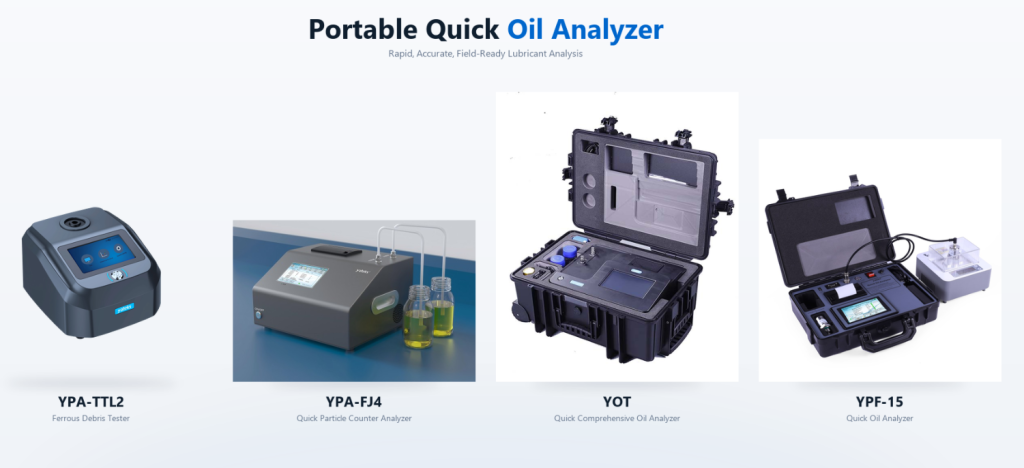
Yateks develops oil analysis instruments and online oil condition monitoring solutions for industrial applications. Its product portfolio supports different monitoring needs, from portable testing and laboratory analysis to continuous measurement of selected oil parameters.
Depending on the application, relevant solutions include:
- Portable oil analysis instruments: Support on-site testing and assessment of selected oil properties.
- Laboratory oil analysis instruments: Include equipment for particle analysis and wear debris investigation, such as analytical ferrography systems.
- Oil condition monitoring sensors: Measure selected parameters such as temperature, moisture, viscosity, and dielectric properties, depending on the sensor configuration.
- Online oil condition monitoring systems: Help users track oil condition trends and integrate monitoring into industrial maintenance workflows.
For example, the Yateks YTS61 6-in-1 Oil Condition Sensor monitors multiple oil parameters, including density, temperature, viscosity, dielectric constant, water activity, and moisture content.
The appropriate solution depends on the oil type, equipment, operating environment, and monitoring objectives. For applications requiring detailed wear debris investigation, a suitable laboratory method may be necessary in addition to routine sensor measurements.
By combining appropriate testing methods with consistent monitoring practices, industrial operators can make better-informed decisions about lubricant management and equipment maintenance.
Conclusion
Used oil analysis is more than a way to check whether lubricant needs replacing. It provides valuable information about oil degradation, contamination, and potential equipment wear.
When combined with consistent sampling, historical trend analysis, and appropriate maintenance procedures, it can support predictive maintenance, improve equipment reliability, and help control operating costs.
For industrial facilities seeking a more proactive approach, portable oil analysis instruments, laboratory testing equipment, and online oil condition monitoring sensors can each play a valuable role.
Explore Yateks oil analysis instruments and oil condition monitoring solutions to find an approach suited to your application.