
Introduction: The Hidden Threat in Your Oil
Every day, gearboxes grind, turbines spin, and compressors pressurize — all relying on a thin film of oil to keep moving parts safe. But as components wear, microscopic ferrous debris begins to circulate. If left unchecked, these particles signal the early stages of failure.
While standard oil analysis methods (like ICP spectroscopy) excel at detecting dissolved metals, they often miss larger, solid ferrous particles — precisely the ones that indicate severe or abnormal wear.
That’s where ASTM D8184 – PQ Index Ferrous Debris Testing becomes indispensable.
What Is the ASTM D8184 PQ Index?
The PQ (Particle Quantifier) Index is a condition-monitoring method that measures the total concentration of magnetically responsive ferrous debris in in-service oils — including lubricating oils, hydraulic fluids, and industrial circulating oils.
✅ It does not count individual particles.
✅ It does not identify particle shapes.
✅ Instead, it provides a single, quantitative index representing the overall ferrous wear level.
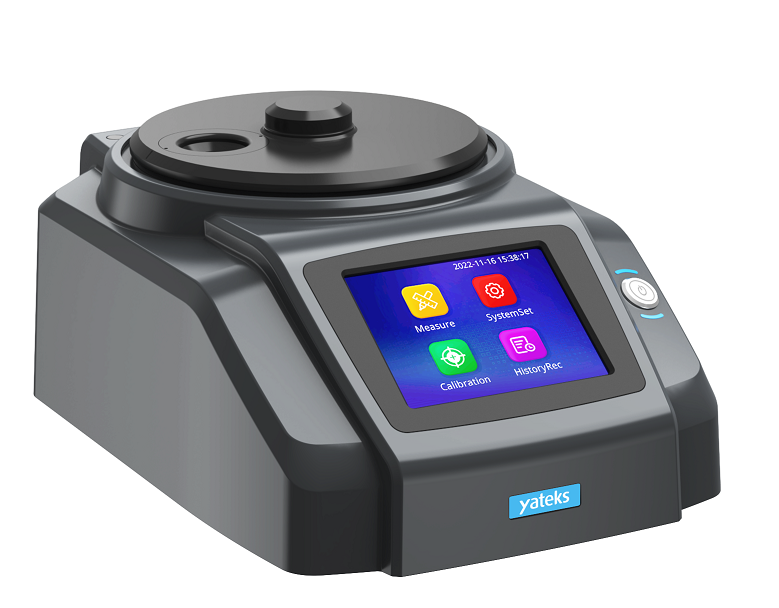
This makes the PQ Index an ideal trending tool for predictive maintenance programs.
Why PQ Index Over Traditional Methods?
| Method | Detects Dissolved Metals | Detects Solid Ferrous Wear | Best For |
|---|---|---|---|
| ICP / RDE | ✅ Yes | ❌ Poor (large particles settle) | Normal wear trends |
| Particle Counting | ❌ No | ✅ Yes (size, count) | Cleanliness monitoring |
| PQ Index | ❌ No | ✅ Yes (total ferrous mass) | Severe/abnormal wear detection |
When used alongside ICP and particle counting, the PQ Index fills a critical gap — revealing wear that other techniques miss.
Where Is PQ Index Testing Used?
Industries and applications benefiting from ASTM D8184 include:
-
⚙️ Gearboxes – detecting tooth surface fatigue or pitting
-
🚁 Turbines (gas & steam) – bearing and gear wear
-
🛢️ Compressors – ring and cylinder wear
-
🧴 Hydraulic systems – pump wear from contamination
-
🚂 Diesel engines – ferrous debris from valve train and gears
-
🔁 Industrial pumps – bearing degradation

Any rotating or hydraulic equipment with ferrous components is a candidate for PQ Index trending.
Operational Value: Move from Reactive to Proactive Maintenance
By regularly tracking the PQ Index, maintenance teams can:
✔ Detect severe wear early – before secondary damage occurs
✔ Differentiate normal from abnormal wear – using trend analysis
✔ Reduce unplanned downtime – by scheduling maintenance based on real debris data
✔ Extend oil and equipment life – by identifying contamination spikes
✔ Complement existing oil analysis – closing the “large particle blind spot”
“A rising PQ Index is often the first warning of a developing catastrophic failure.”
Yateks: Your Partner in Precision Ferrous Debris Monitoring
At Yateks, we specialize in dedicated PQ Index Ferrous Debris Analyzers designed to meet ASTM D8184 requirements. Our instruments deliver:
-
🔬 High sensitivity to ferrous particles (down to sub-milligram levels)
-
📊 Fast, repeatable measurements – ideal for lab or field use
-
🧾 Simple operation with clear PQ Index values for trending
-
🔄 Seamless integration into existing oil analysis workflows
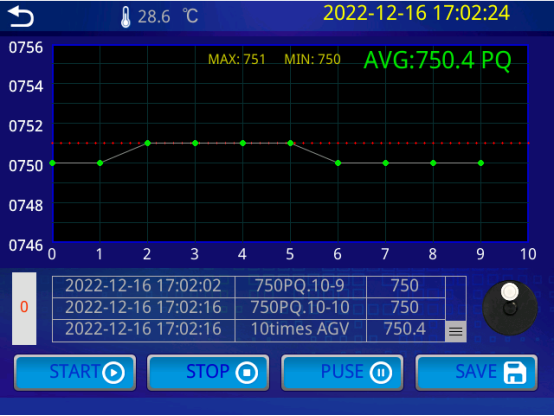
Whether you operate a single critical gearbox or a fleet of turbines, Yateks helps you turn oil debris data into actionable maintenance decisions.
Ready to Strengthen Your Condition Monitoring Program?
Don’t let hidden ferrous wear compromise your reliability goals. Add ASTM D8184 PQ Index testing to your oil analysis routine — and let Yateks provide the precision tools you need.
📩 Contact Yateks today to learn more about our PQ Index analyzers or to request a demo.